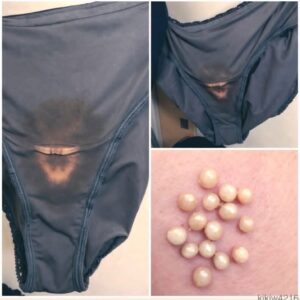
Groin skin irritation is far more common than most people are willing to admit, largely because it affects an intimate area that many feel uncomfortable discussing. Yet this part of the body is especially vulnerable due to constant movement, friction, warmth, and moisture. When irritation begins, the first signs are often subtle: mild itching, a feeling of tightness, or slight redness that seems easy to ignore. Over time, however, these small warnings can grow into persistent discomfort that interferes with daily life. Walking, exercising, or even sitting for long periods may become irritating. Many people mistakenly believe such symptoms are a sign of poor hygiene, but the reality is more complex. Even individuals who are very clean can experience irritation if the skin barrier is disrupted. Sweat trapped against the skin creates an ideal environment for irritation and infection, while friction from clothing repeatedly stresses the area. The groin also contains numerous hair follicles, which makes it prone to issues like ingrown hairs and follicle inflammation. Recognizing that these early signs are signals from the body, rather than something to be embarrassed about, is the first step toward effective care and prevention.
One of the most frequent causes of groin irritation is ingrown hair, a condition that develops when hair curls back into the skin instead of growing outward. This often happens after shaving or waxing, especially if the hair is coarse or curly. The skin reacts by becoming red, itchy, and sometimes tender, forming small bumps that may resemble pimples. In some cases, these bumps can become infected, leading to swelling or pus formation. Tight clothing can worsen the problem by pressing the hair back into the skin and increasing friction. Another closely related issue is folliculitis, which involves inflammation of the hair follicles themselves. Folliculitis can be caused by bacteria, fungi, or simple mechanical irritation, and it often appears as clusters of red or white-headed bumps that may be itchy or painful. People who sweat heavily, exercise frequently, or wear non-breathable fabrics are at higher risk. While mild cases may resolve on their own, persistent folliculitis can spread and become uncomfortable. Understanding the difference between these conditions helps prevent unnecessary worry and encourages more targeted care, such as reducing hair removal practices and allowing the skin time to heal.
Fungal infections are another major contributor to groin irritation, with tinea cruris, commonly known as jock itch, being one of the most well-known examples. This condition thrives in warm, moist environments, making the groin an ideal location. It often begins as a red, itchy patch that gradually spreads outward, sometimes developing a scaly or raised border. Unlike simple irritation, fungal infections tend to persist and may worsen without treatment. Men are more frequently affected, but anyone can develop the condition, particularly in hot climates or during periods of heavy sweating. Locker rooms, shared showers, and damp clothing can increase exposure to the fungi responsible. Many people initially mistake jock itch for simple chafing and delay treatment, allowing the infection to become more established. Proper management involves keeping the area clean and dry, changing out of sweaty clothing promptly, and using antifungal creams consistently for the recommended duration. Awareness is key, as early treatment can prevent the infection from spreading to other areas of the body or recurring repeatedly.
Allergic and irritant reactions also play a significant role in groin skin problems, often under the category of contact dermatitis. This occurs when the skin reacts negatively to substances it comes into contact with, such as scented soaps, laundry detergents, fabric dyes, or personal care products. The groin area is particularly sensitive, so products that are tolerated elsewhere on the body may cause redness, itching, or even blistering in this region. Symptoms can appear suddenly or gradually, depending on the level of exposure. Another related condition is intertrigo, which develops in skin folds where moisture and friction are constant. Intertrigo presents as red, raw-looking skin that may sting or produce an unpleasant odor, especially if a secondary infection develops. People who are physically active, overweight, or living in hot, humid environments may experience it more frequently. Managing these conditions requires a thoughtful approach that focuses on eliminating triggers, reducing moisture, and allowing air circulation. Switching to fragrance-free products and breathable fabrics can make a noticeable difference over time.
Prevention and daily care are essential in reducing the risk of groin irritation and maintaining long-term skin health. Good hygiene is important, but over-washing or using harsh products can strip the skin of its natural protective oils, making irritation more likely. Gentle cleansing with mild, unscented products is usually sufficient. Drying the area thoroughly after bathing or sweating is equally important, as lingering moisture encourages irritation and infection. Clothing choices also matter more than many realize. Loose-fitting garments made from breathable fabrics help reduce friction and allow sweat to evaporate. When it comes to hair removal, taking breaks between sessions, using clean tools, and avoiding very close shaving can help prevent ingrown hairs and folliculitis. For individuals prone to fungal infections, preventive antifungal powders or creams may be useful during high-risk periods. These small, consistent habits often have a greater impact than aggressive treatments applied only after symptoms become severe.
Knowing when to seek medical attention is another crucial aspect of managing groin skin issues. While many cases of irritation improve with basic care, persistent symptoms should not be ignored. Redness that spreads, pain that intensifies, or the presence of fever may indicate a more serious infection requiring professional treatment. Recurrent problems may signal an underlying condition, such as a weakened immune response or chronic skin sensitivity, that needs evaluation. Consulting a healthcare professional can provide clarity, appropriate medication, and reassurance. Ultimately, understanding the signs of groin skin irritation empowers individuals to respond early, care for their bodies with confidence, and reduce unnecessary discomfort. By treating these issues as normal health concerns rather than sources of embarrassment, it becomes easier to maintain comfort, dignity, and overall well-being in everyday life.