Foods You Should Avoid Cooking in a Cast Iron Skillet and Why Certain Ingredients Like Acidic Sauces, Delicate Fish, Eggs, and Strongly Aromatic Foods Can Affect Flavor, Damage Seasoning, or Create Stubborn Residue That Makes Cleaning Harder and Reduces the Performance of Your Favorite Long-Lasting Pan

Cast iron skillets have earned a reputation as one of the most durable and versatile tools in the kitchen. Many cooks swear by them for everything from crispy breakfasts to perfectly seared steaks. With proper care, a cast iron pan can last not just years but generations, often becoming a treasured piece of cookware passed down through families. The appeal of cast iron is easy to understand. These pans distribute heat evenly, hold temperature exceptionally well, and develop a natural non-stick surface over time through a process known as seasoning. When properly maintained, a cast iron skillet becomes better with age, improving its cooking performance with each use.

However, despite its durability, cast iron is not ideal for every type of food. Certain ingredients and dishes can damage the seasoning, create unpleasant flavors, or leave lingering odors that are difficult to remove.

Understanding which foods are better cooked in other types of cookware can help you preserve your skillet and keep your meals tasting their best. One of the most commonly mentioned categories to avoid in cast iron is highly acidic foods.

Acidic ingredients such as tomatoes, vinegar, citrus juice, and wine can react with the metal surface of cast iron, especially if the pan’s seasoning layer is thin or damaged.


Related Posts

The Real Purpose of That Fabric Strip Across Hotel Beds (It’s Not Just for Looks!)

You’ve seen it: a wide, often dark-colored fabric strip laid horizontally across the foot of your hotel bed. Many guests immediately toss it aside, assuming it’s purely…

Users Unite To Identify Strange Steel Device That Turned Out To Be Historic Kitchen Item

People online often stumble across strange, unfamiliar objects and struggle to understand what they are. One recent image of a heavy-looking steel device sparked exactly that kind…

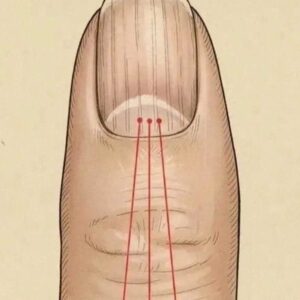
If you have these lines on your nails, you should pay attention.

As we age, the body slows down cell turnover—including nail cells. That’s why mild vertical ridging is especially common in older adults and usually doesn’t signal disease….

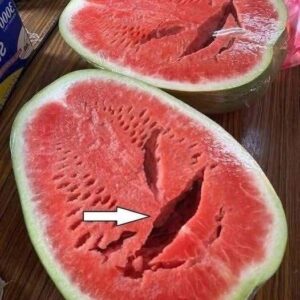
You Cut Open a Watermelon and Saw Cracks? Stop Eating It Immediately! Here’s What It Really Means

Cutting open a watermelon and discovering unusual internal cracks can be alarming, especially after encountering alarming social media posts linking these imperfections to chemicals and health risks….

Stop Throwing Them Away: How Boiled Eggshells Can Transform Your Home, Garden, Health Routine, and Daily Life by Turning Simple Kitchen Waste Into a Powerful Natural Resource for Cleaning, Plant Growth, Pest Control, and Sustainable Living Without Spending Extra Money or Using Harsh Chemicals

Stop throwing them away. Boil eggshells and say goodbye to weak plants and blossom end rot. Most people crack eggs, use what’s inside, and toss the shells…

The Beetroot Upgrade: How Eating Beets Transforms Your Body, Backed by Medical Science Beets have quietly earned their place among the most powerful vegetables nature offers, not through hype but through a sophisticated internal chemistry that doctors and researchers continue to study with growing fascination

The Beetroot Upgrade: How Eating Beets Transforms Your Body, Backed by Medical Science Beets have quietly earned their place among the most powerful vegetables nature offers, not…

Leave a Reply

Your email address will not be published. Required fields are marked *