You’re kidding me😯👇

For generations, drivers have grown accustomed to the familiar letters and numbers on car gear sticks, quietly guiding movement, pause, and reverse. Manual transmissions display numbers and an “R” for reverse, while automatics show “P,” “R,” “N,” and “D,” with some adding “L” for low gear. Yet certain older vehicles also featured an “E”—a letter many younger drivers have never seen. Its presence sparked curiosity and questions about its meaning and disappearance.

The “E” stood for “Economy,” a mode aimed at improving fuel efficiency. Engaging it adjusted shift points, encouraged earlier upshifts, and reduced engine speed, making driving calmer and less fuel-intensive. Some vehicles also altered throttle sensitivity, discouraging aggressive acceleration. In a time of rising fuel costs, “E” allowed drivers to influence consumption without major changes to their habits. It reflected an era when mechanical and early electronic systems offered hands-on options, rather than fully automated optimization.

As technology advanced, the letter became unnecessary. Modern engines with sophisticated fuel injection, sensors, and onboard computers optimize performance and efficiency continuously. Transmission improvements and aerodynamic innovations removed the need for a separate economy gear. Today, even “Eco” modes are often engaged via buttons or screens rather than a dedicated lever. Meanwhile, electric vehicles, with single-speed setups and digital selectors, redefined what “E” could mean—often now referring to electric propulsion rather than economy.

The story of “E” highlights how automotive knowledge has shifted over time. It connects generations of drivers, reminding us that visible mechanical cues once shaped everyday driving experiences. From economy mode to electric power, the letter symbolizes a bridge between the analog past and a digitally optimized automotive future.


Related Posts

Users Unite To Identify Strange Steel Device That Turned Out To Be Historic Kitchen Item

People online often stumble across strange, unfamiliar objects and struggle to understand what they are. One recent image of a heavy-looking steel device sparked exactly that kind…

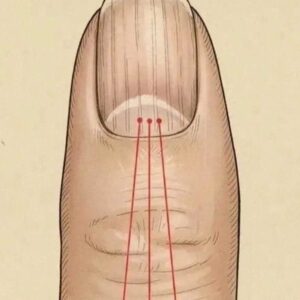
If you have these lines on your nails, you should pay attention.

As we age, the body slows down cell turnover—including nail cells. That’s why mild vertical ridging is especially common in older adults and usually doesn’t signal disease….

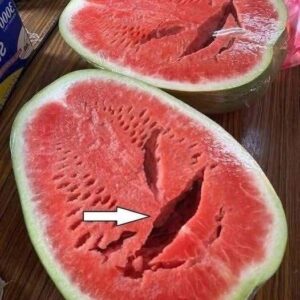
You Cut Open a Watermelon and Saw Cracks? Stop Eating It Immediately! Here’s What It Really Means

Cutting open a watermelon and discovering unusual internal cracks can be alarming, especially after encountering alarming social media posts linking these imperfections to chemicals and health risks….

Stop Throwing Them Away: How Boiled Eggshells Can Transform Your Home, Garden, Health Routine, and Daily Life by Turning Simple Kitchen Waste Into a Powerful Natural Resource for Cleaning, Plant Growth, Pest Control, and Sustainable Living Without Spending Extra Money or Using Harsh Chemicals

Stop throwing them away. Boil eggshells and say goodbye to weak plants and blossom end rot. Most people crack eggs, use what’s inside, and toss the shells…

The Beetroot Upgrade: How Eating Beets Transforms Your Body, Backed by Medical Science Beets have quietly earned their place among the most powerful vegetables nature offers, not through hype but through a sophisticated internal chemistry that doctors and researchers continue to study with growing fascination

The Beetroot Upgrade: How Eating Beets Transforms Your Body, Backed by Medical Science Beets have quietly earned their place among the most powerful vegetables nature offers, not…

When my husband told me he was going to “work

Emma’s world collapsed at JFK the moment she saw Daniel with another woman—pregnant, familiar in the way betrayal often is when it finally reveals itself. He tried…

Leave a Reply

Your email address will not be published. Required fields are marked *