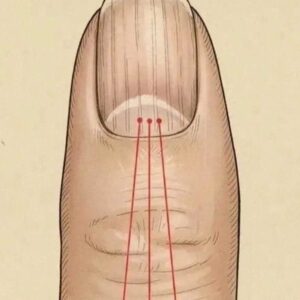
I always wondered what that was… You Might Have… 😱 👇

Dyshidrotic eczema, also known as pompholyx, is a chronic inflammatory skin condition that goes beyond simple irritation. It often appears as small, deep, itchy blisters on the fingers, palms, or soles of the feet, and can cause burning, redness, swelling, and discomfort that interferes with daily activities.

Although not contagious, it is a recurring condition that requires long-term management rather than a permanent cure. It is part of the broader group of eczema disorders, which involve inflammation of the skin and an overactive immune response.

People with a family history of eczema, asthma, or allergies are more likely to develop it. Environmental factors such as weather changes, allergens, stress, sweating, and exposure to irritants like detergents or metals can all contribute to flare-ups.

Symptoms often come in cycles and may worsen during seasonal transitions, especially spring. Increased pollen, humidity, and temperature changes can trigger sweating and skin sensitivity, leading to outbreaks.

Diagnosis is usually made by a dermatologist based on the appearance and pattern of the blisters. Because it can resemble other conditions, tests may be used to rule out infections or identify allergens.

Advertisements

Treatment focuses on symptom control rather than a cure. Options include topical corticosteroids, moisturizers, antihistamines, cold compresses, and in more severe cases, phototherapy or prescription medications.

Preventing flare-ups is an important part of management. This includes avoiding known triggers, using gentle skincare products, protecting the skin from irritants, and keeping affected areas clean and dry.

While chronic and sometimes frustrating, dyshidrotic eczema can usually be managed effectively with consistent care, awareness of triggers, and support from healthcare professionals, allowing most people to maintain a stable daily life.


Related Posts

The Real Purpose of That Fabric Strip Across Hotel Beds (It’s Not Just for Looks!)

You’ve seen it: a wide, often dark-colored fabric strip laid horizontally across the foot of your hotel bed. Many guests immediately toss it aside, assuming it’s purely…

Users Unite To Identify Strange Steel Device That Turned Out To Be Historic Kitchen Item

People online often stumble across strange, unfamiliar objects and struggle to understand what they are. One recent image of a heavy-looking steel device sparked exactly that kind…

If you have these lines on your nails, you should pay attention.

As we age, the body slows down cell turnover—including nail cells. That’s why mild vertical ridging is especially common in older adults and usually doesn’t signal disease….

You Cut Open a Watermelon and Saw Cracks? Stop Eating It Immediately! Here’s What It Really Means

Cutting open a watermelon and discovering unusual internal cracks can be alarming, especially after encountering alarming social media posts linking these imperfections to chemicals and health risks….

Stop Throwing Them Away: How Boiled Eggshells Can Transform Your Home, Garden, Health Routine, and Daily Life by Turning Simple Kitchen Waste Into a Powerful Natural Resource for Cleaning, Plant Growth, Pest Control, and Sustainable Living Without Spending Extra Money or Using Harsh Chemicals

Stop throwing them away. Boil eggshells and say goodbye to weak plants and blossom end rot. Most people crack eggs, use what’s inside, and toss the shells…

The Beetroot Upgrade: How Eating Beets Transforms Your Body, Backed by Medical Science Beets have quietly earned their place among the most powerful vegetables nature offers, not through hype but through a sophisticated internal chemistry that doctors and researchers continue to study with growing fascination

The Beetroot Upgrade: How Eating Beets Transforms Your Body, Backed by Medical Science Beets have quietly earned their place among the most powerful vegetables nature offers, not…

Leave a Reply

Your email address will not be published. Required fields are marked *