Understanding the Relationship Between Breast Size and Hormonal Health

Breast size is primarily influenced by genetics, hormones, age, weight, and lifestyle choices. While it’s a common point of curiosity and cultural focus, breast size does not determine overall health or indicate hormonal balance. The belief that smaller breasts signify poor health or reduced femininity is a myth that lacks scientific backing.

Health is a complex interplay of many factors, and body shape alone cannot provide an accurate picture. Judging someone’s wellness based on physical traits like breast size promotes harmful stereotypes and ignores the more significant health indicators such as energy levels, metabolism, immunity, and mental well-being.

Some studies have observed correlations between larger breast size and higher risks of certain conditions like type 2 diabetes. However, this link is often due to body weight rather than breast size itself. Heavier individuals may store more fat in various areas, including the chest, which is a reflection of general body composition—not a direct health concern related to the breasts.

Each woman’s body is unique, and variation in breast size is completely normal. Rather than focusing on appearance, prioritizing healthy habits is far more beneficial to long-term wellness. What matters most is how the body functions and how it’s supported through lifestyle.

Maintaining hormonal balance involves nurturing your body through proper nutrition, physical activity, and stress reduction. Natural remedies like sage tea or maca root, and supplements can be helpful, but they should be used under medical supervision to ensure safety and effectiveness.

Advertisements

Ultimately, breast size does not define a woman’s health or femininity. True well-being comes from how you care for your body, not how it looks. Respecting and supporting your body’s natural form is essential to building confidence and sustaining good health.


Related Posts

The Real Purpose of That Fabric Strip Across Hotel Beds (It’s Not Just for Looks!)

You’ve seen it: a wide, often dark-colored fabric strip laid horizontally across the foot of your hotel bed. Many guests immediately toss it aside, assuming it’s purely…

Users Unite To Identify Strange Steel Device That Turned Out To Be Historic Kitchen Item

People online often stumble across strange, unfamiliar objects and struggle to understand what they are. One recent image of a heavy-looking steel device sparked exactly that kind…

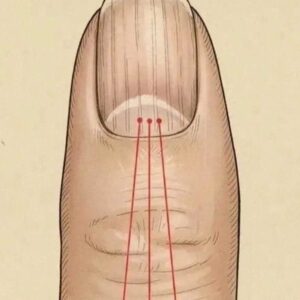
If you have these lines on your nails, you should pay attention.

As we age, the body slows down cell turnover—including nail cells. That’s why mild vertical ridging is especially common in older adults and usually doesn’t signal disease….

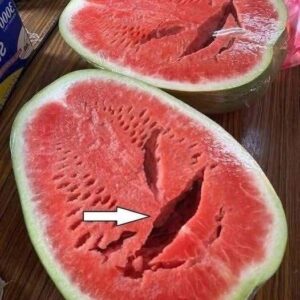
You Cut Open a Watermelon and Saw Cracks? Stop Eating It Immediately! Here’s What It Really Means

Cutting open a watermelon and discovering unusual internal cracks can be alarming, especially after encountering alarming social media posts linking these imperfections to chemicals and health risks….

Stop Throwing Them Away: How Boiled Eggshells Can Transform Your Home, Garden, Health Routine, and Daily Life by Turning Simple Kitchen Waste Into a Powerful Natural Resource for Cleaning, Plant Growth, Pest Control, and Sustainable Living Without Spending Extra Money or Using Harsh Chemicals

Stop throwing them away. Boil eggshells and say goodbye to weak plants and blossom end rot. Most people crack eggs, use what’s inside, and toss the shells…

The Beetroot Upgrade: How Eating Beets Transforms Your Body, Backed by Medical Science Beets have quietly earned their place among the most powerful vegetables nature offers, not through hype but through a sophisticated internal chemistry that doctors and researchers continue to study with growing fascination

The Beetroot Upgrade: How Eating Beets Transforms Your Body, Backed by Medical Science Beets have quietly earned their place among the most powerful vegetables nature offers, not…

Leave a Reply

Your email address will not be published. Required fields are marked *